
Splits shared expenses from receipts, prioritizing local data and no accounts.
Product memo
Who Owes What offers fast, receipt-based splitting of shared costs without requiring user accounts. It appeals to friends and teams who need immediate bill settlements and value privacy, keeping all data stored locally on the device. This approach avoids the friction of account creation and cloud storage, focusing instead on quick, one-time use cases.
For who
Friends and teams settling shared expenses
Solves what
Fast, receipt-based splitting of shared costs without accounts.
- Receipt scanning and itemization
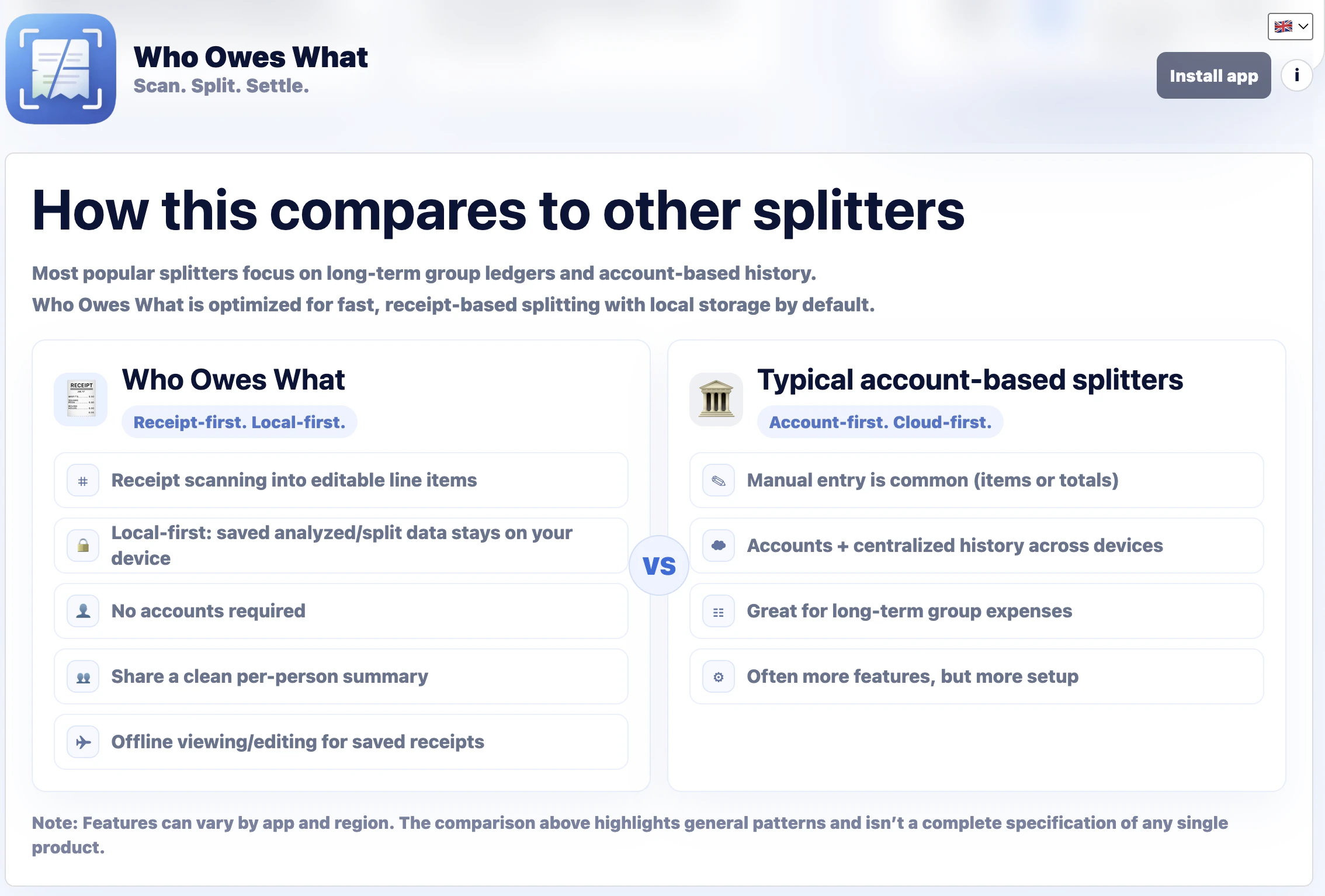
- Local-first data storage
- Shareable payment summaries
In their own words
Scan the check. Pick who owes what. Share the final split.
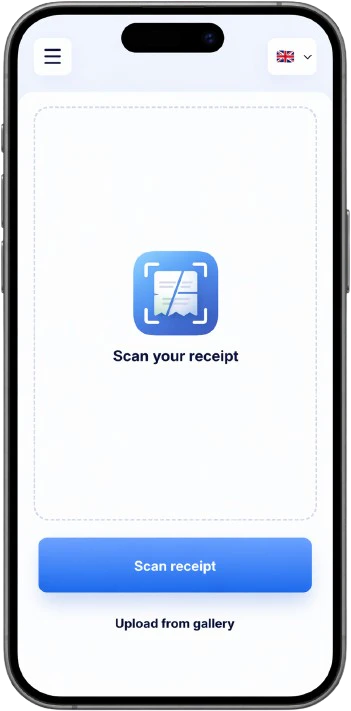
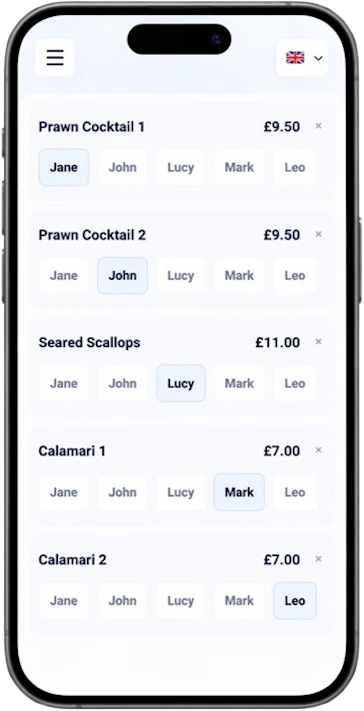
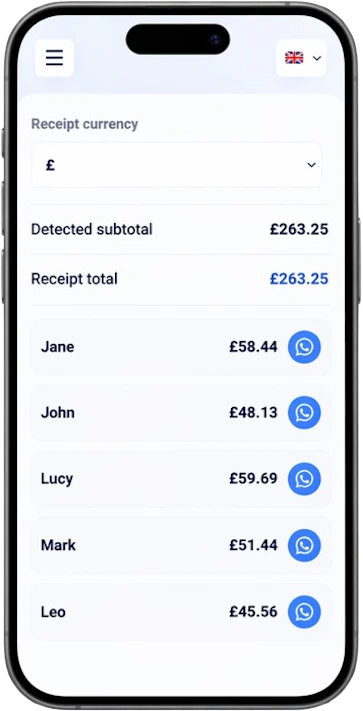
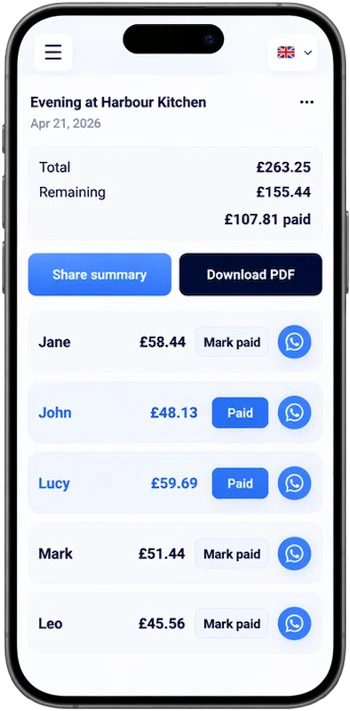
Scan your receipt Use the camera or upload a photo to read the bill and pull out the items. Split fairly Assign items to the people who had them and split shared purchases the way you want. Notify people Send a shareable summary so everyone can see what they owe. Track payments See who has paid, what remains, and keep
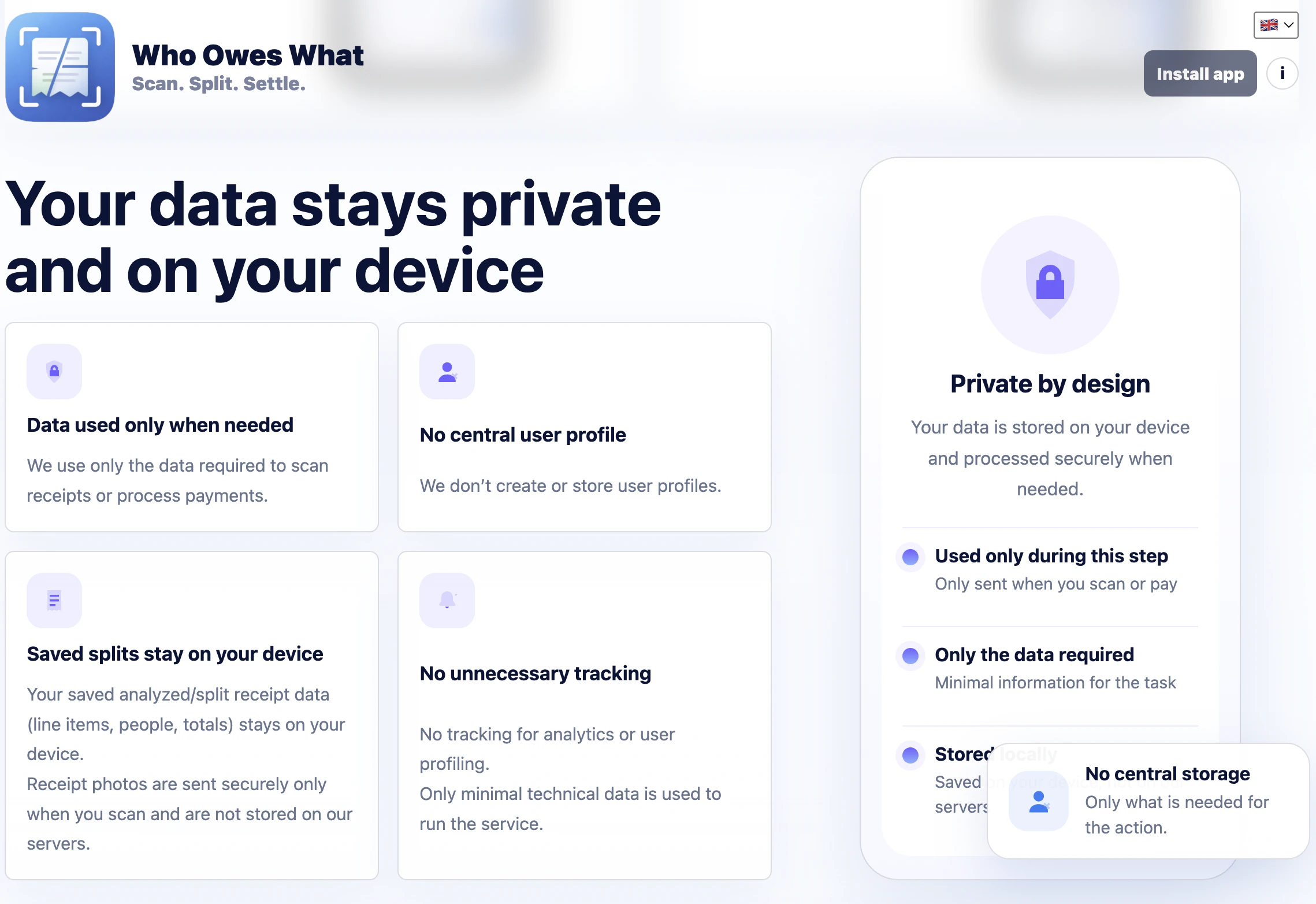
Your data stays private and on your device
Commercial cues
Model
free only
Free tier
Yes
Trial
No
Pricing Strategy
The product operates on a free-only model, providing full functionality for receipt scanning, item assignment, sharing, and payment tracking. This strategy emphasizes privacy.
- • Free-only access removes adoption friction for immediate expense splitting.
- • Local storage and no accounts attract privacy-conscious users.
- • Focuses on quick, one-time use, not long-term ledger management.
Operator context
Team
Indie / lean
Founded
May 2026
Platform
Mobile
Audience
General
Public footprint
Builder Strategy
- Strategy Type
- Niche Specialist
- Stage
- Bootstrapped Lean
- Effort
- Solo Buildable
About Who Owes What Expand
Who Owes What provides a straightforward product for friends and teams to settle shared expenses. It focuses on fast, receipt-based splitting, allowing users to scan receipts, assign line items, and customize splits without creating an account.
This approach prioritizes user privacy by storing all data locally on the device. The product targets individuals who need quick, one-time expense divisions and value a no-account, local-first experience over cloud-synced ledgers.