
A free AI math scanner providing instant products and step-by-step explanations.
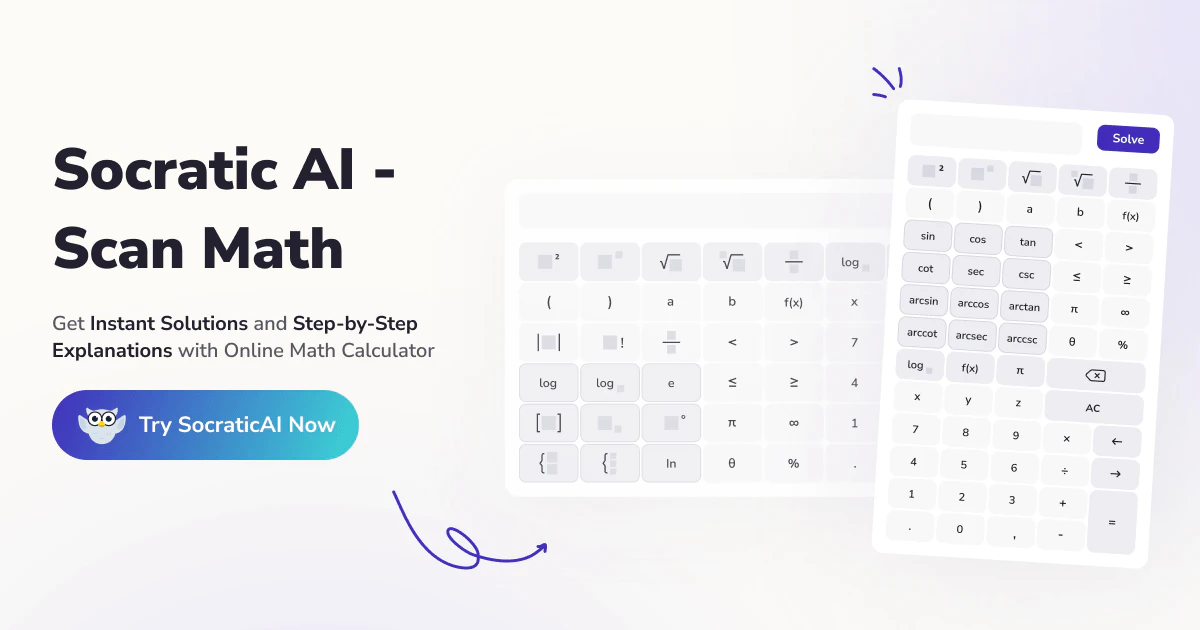
Product memo
Students learning math use ScanMath to get instant, accurate products and step-by-step explanations for problems. It covers a wide range of topics, from algebra and calculus to trigonometry and statistics. The core adoption wedge is its AI Math Scanner, which simplifies homework by solving problems directly from a photo.
For who
Students learning math
Solves what
Provides instant, accurate solutions and step-by-step explanations for math problems.
- AI Math Scanner
- Step-by-step solutions
- Supports various math topics
In their own words
Free AI Math Scanner & Solver
Just scan your math problem, and get instant, accurate solutions with comprehensive step-by-step explanations. ScanMath's AI Math Scanner is a reliable companion for learning math and studying success.
Take a Photo to Solve Math
Commercial cues
Model
free only
Free tier
Yes
Trial
No
Pricing Strategy
ScanMath is entirely free, offering its full suite of math-solving features without any cost to the user.
- • Free access removes all friction for student adoption.
- • User acquisition focuses on broad accessibility for homework help.
- • Organic discovery drives growth through app store visibility.
Operator context
Operating setup
Founded
May 2026
Platform
Web app
Audience
Consumers
Social footprint
Tech stack
Builder Strategy
- Strategy Type
- Ai Wrapper
- Stage
- Pre Revenue
- Effort
- Solo Buildable
About ScanMath Expand
ScanMath serves students by offering a free AI-powered math scanner that delivers instant products and detailed step-by-step explanations. It supports a broad array of math topics, including Algebra, Calculus, Trigonometry, and Statistics, making it a versatile tool for homework and study.
The product's positioning as a completely free resource removes financial barriers, allowing a wide audience of students to access its problem-solving capabilities without friction. This approach focuses on broad accessibility and organic adoption within the educational technology landscape.