
An open-source Kubernetes operator that turns database rows into running Kubernetes apps.
Product memo
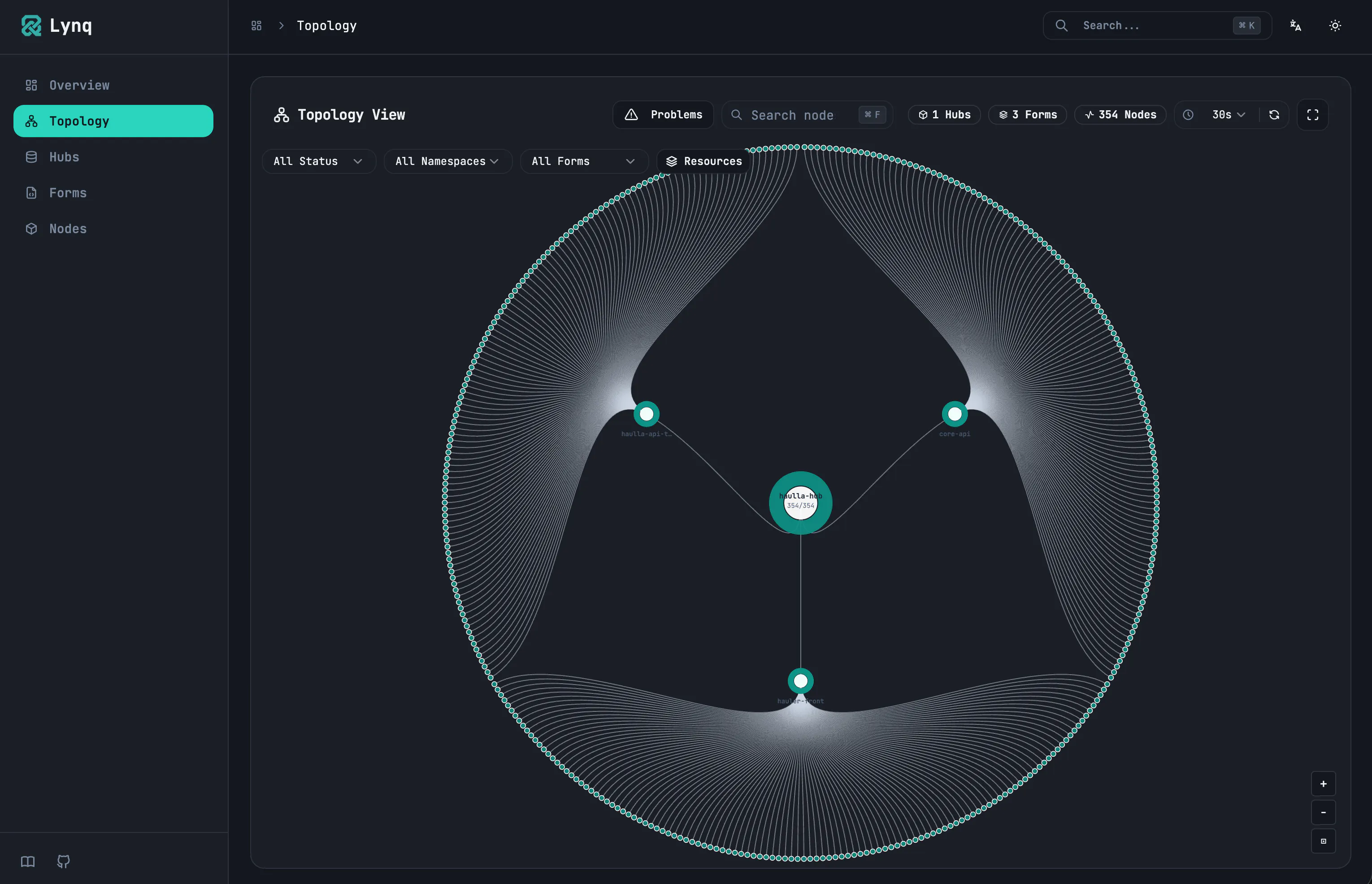
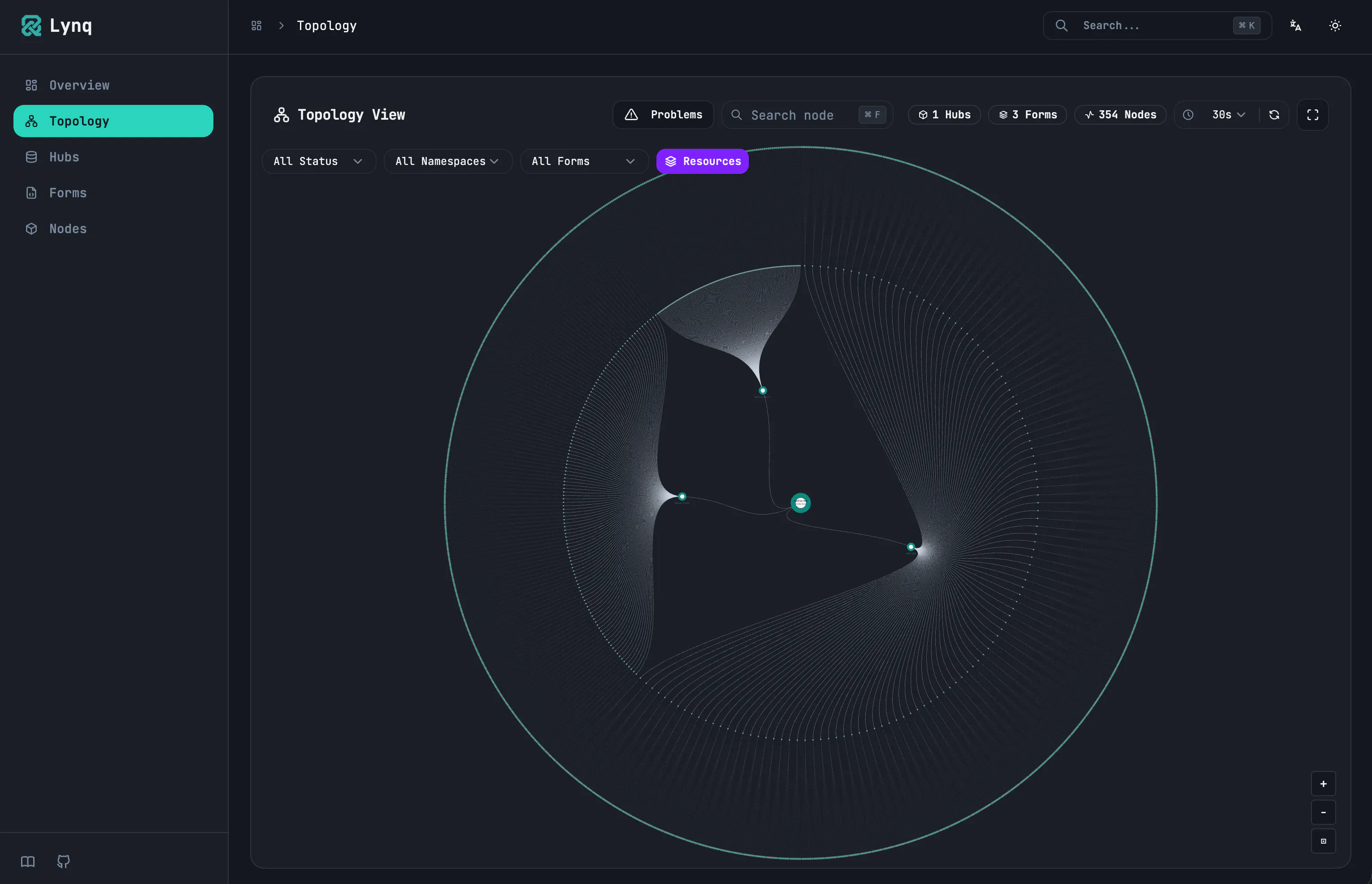
Lynq serves as an Infrastructure as Data platform, enabling developers to manage Kubernetes resources directly from MySQL database records. It contrasts with Infrastructure as Code by using data state to drive infrastructure provisioning, reconciliation, and cleanup, offering a novel approach to operational patterns.
For who
Developers managing Kubernetes infrastructure
Solves what
Automates Kubernetes resource provisioning from database records
- Database as source of truth
- Automatic resource reconciliation
- Policy-driven safety controls
In their own words
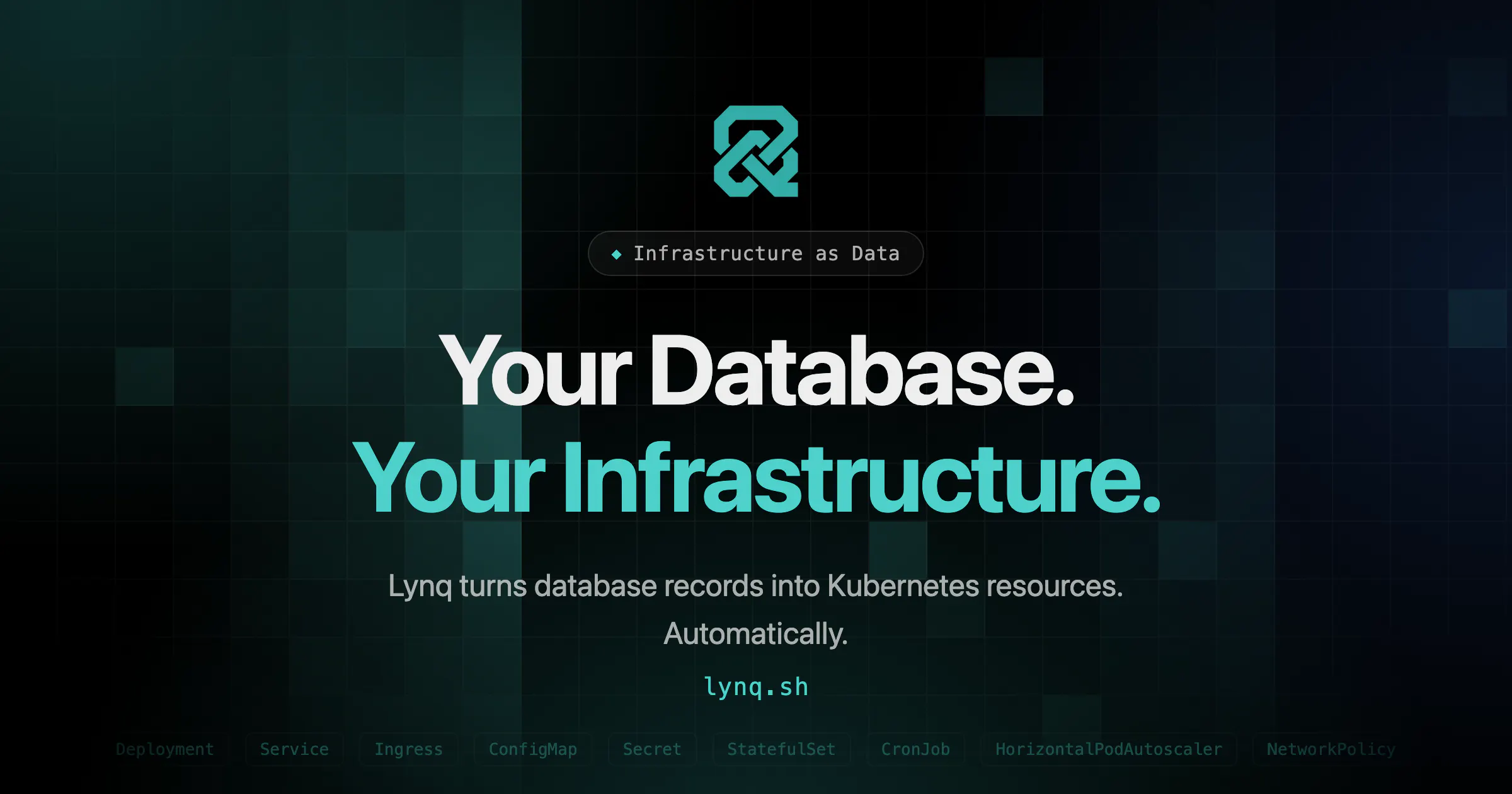
Your Database.
Lynq turns database records into Kubernetes resources. Automatically.
Commercial cues
Model
free only
Free tier
Yes
Trial
No
Pricing Strategy
Lynq offers a free Open Source tier; paid plan details are not publicly priced.
- • Focus on developer tooling and infrastructure automation
- • No direct pricing stream; relies on community support
- • Free Open Source tier lowers testing friction.
Operator context
Operating setup
Team
Indie / lean
LLM classification
Founded
Jul 2026
Platform
API
Audience
Developers
Social footprint
Tech stack
Market demand
Lynq keyword demand
5 keywords
Market demand is Starter-tier market intelligence.
Derived from this product’s latest SimilarWeb keyword mix — directional demand, not proof.
Builder Strategy
- Strategy Type
- Niche Specialist
- Stage
- Bootstrapped Lean
- Effort
- Small Team
About Lynq Expand
Lynq is an open-source Kubernetes operator that transforms your database into the definitive source of truth for infrastructure. By treating database records as specifications, Lynq automates the provisioning, reconciliation, and cleanup of Kubernetes resources like Deployments, Services, and Ingresses.
This Infrastructure as Data approach eliminates the need for traditional YAML pipelines, allowing developers to manage complex infrastructure states directly through database changes. With features like dependency-aware ordering, flexible templating, and smart policies, Lynq ensures safe and observable automation, making it a specific tool for managing dynamic Kubernetes environments.