
Open-source AI code review that aligns with architecture, business rules, and compliance.


Product memo
Kodus provides an open-source AI code review tool that integrates with a team's architecture, business rules, and compliance standards. It offers full control over model choice and costs, letting teams use their own API keys and pay providers directly. This approach ensures alignment with organizational policies, adapts to specific tech stacks, and enforces team-defined rules, maintaining code quality and security.
For who
Development teams and organizations
Solves what
AI code review aligned with architecture, business rules, and compliance standards.
- Open-source AI code review
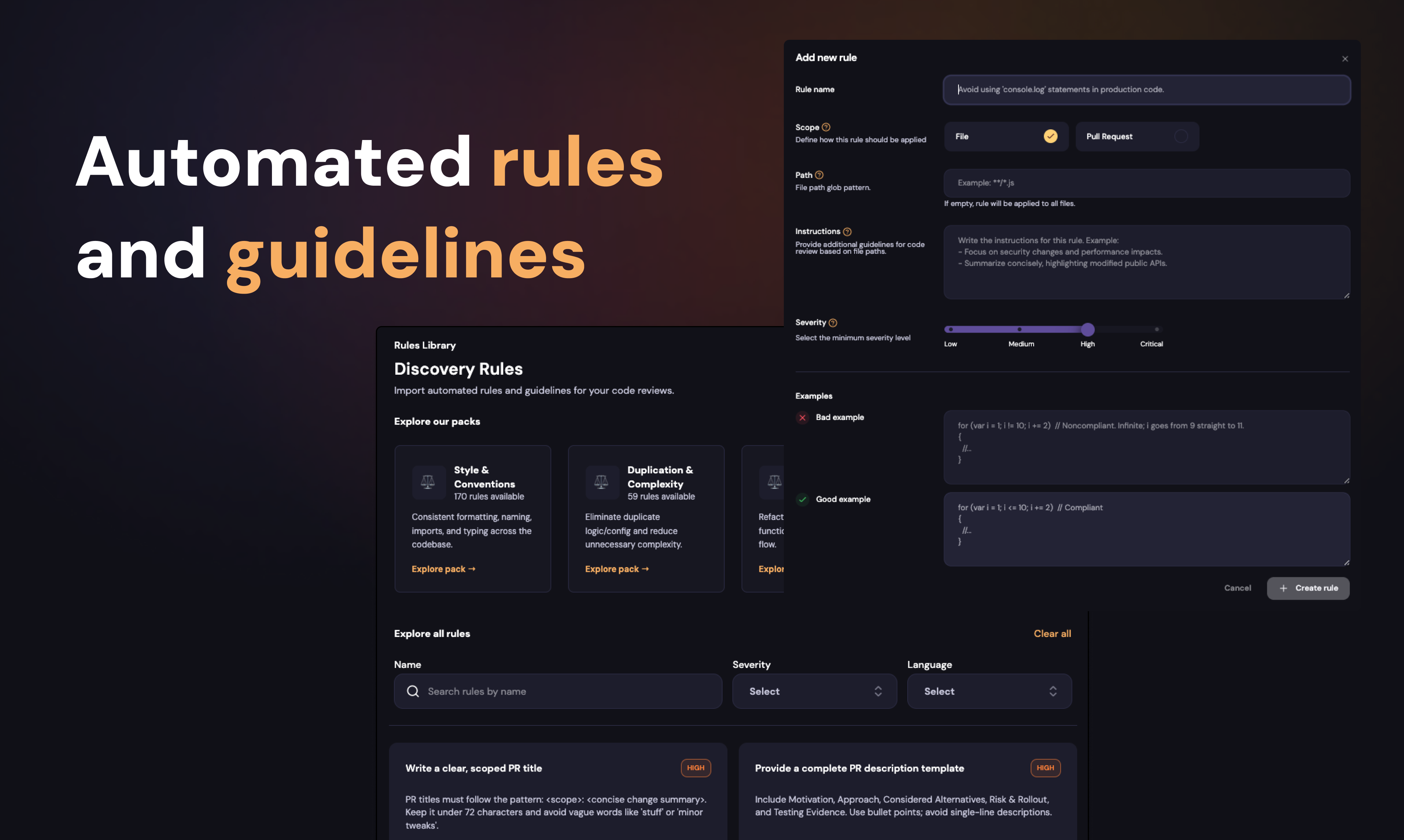
- Customizable review standards
- Syncs existing rules
In their own words
The Open Source Alternative to CodeRabbit
AI Code Review With Full Control Over Model Choice and Costs
Commercial cues
Model
subscription
Free tier
Yes
Trial
14d
Pricing Strategy
- • A free tier lowers adoption friction for small teams and initial testing.
- • Custom Enterprise pricing handles larger organizations with specific needs.
Operator context
Founded
Oct 2025
Platform
Web app
Audience
Developers
Public footprint
+1 more footprint links
Tech stack
Builder Strategy
- Strategy Type
- Niche Specialist
- Stage
- Vc Growth
- Effort
- Small Team
About Kodus Expand
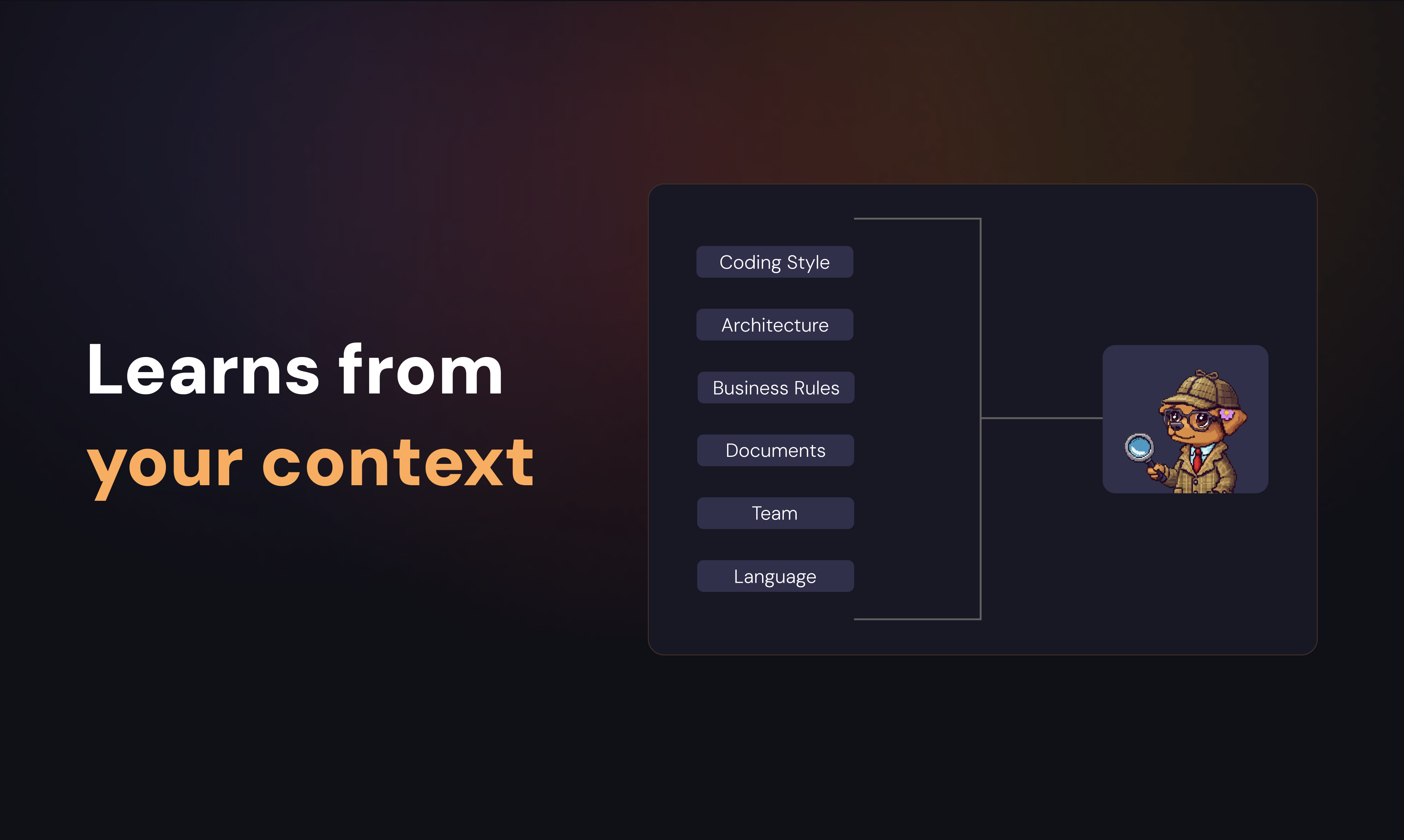
Kodus provides an open-source AI code review product for development teams and organizations. It helps maintain code quality and security by aligning reviews with existing architecture, business rules, and compliance standards.
Unlike many proprietary tools, Kodus gives users full control over their AI model choice and associated costs, allowing teams to integrate their own API keys and manage provider payments directly. This addresses common developer concerns around vendor lock-in and unpredictable expenses, making it a flexible option for enforcing team-defined rules across various tech stacks.