
An operating system for AI-native companies, automating workflows with governed AI operators.



Product memo
AI-native companies face fragmentation across their tools and systems. Hipocampus provides a workflow-ownership layer, allowing AI operators to automate and manage tasks across these disparate tools. It builds persistent memory and learns preferences, reducing repetitive work and integration costs. This creates a unified system for managing AI-driven operations.
For who
AI-native companies and their teams
Solves what
Automating and owning team workflows across fragmented systems with AI operators.
- Governed AI operators
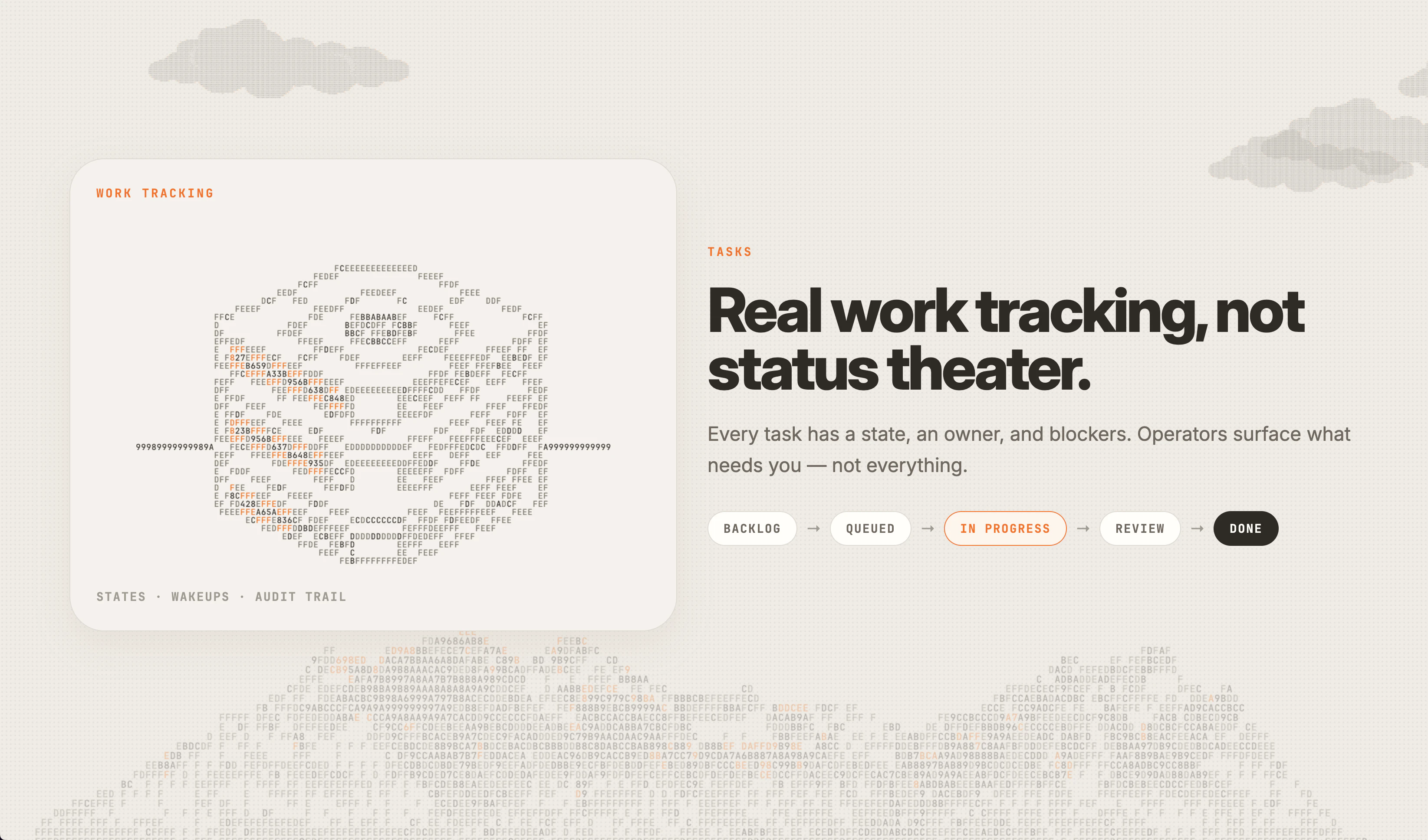
- Workflow state and memory
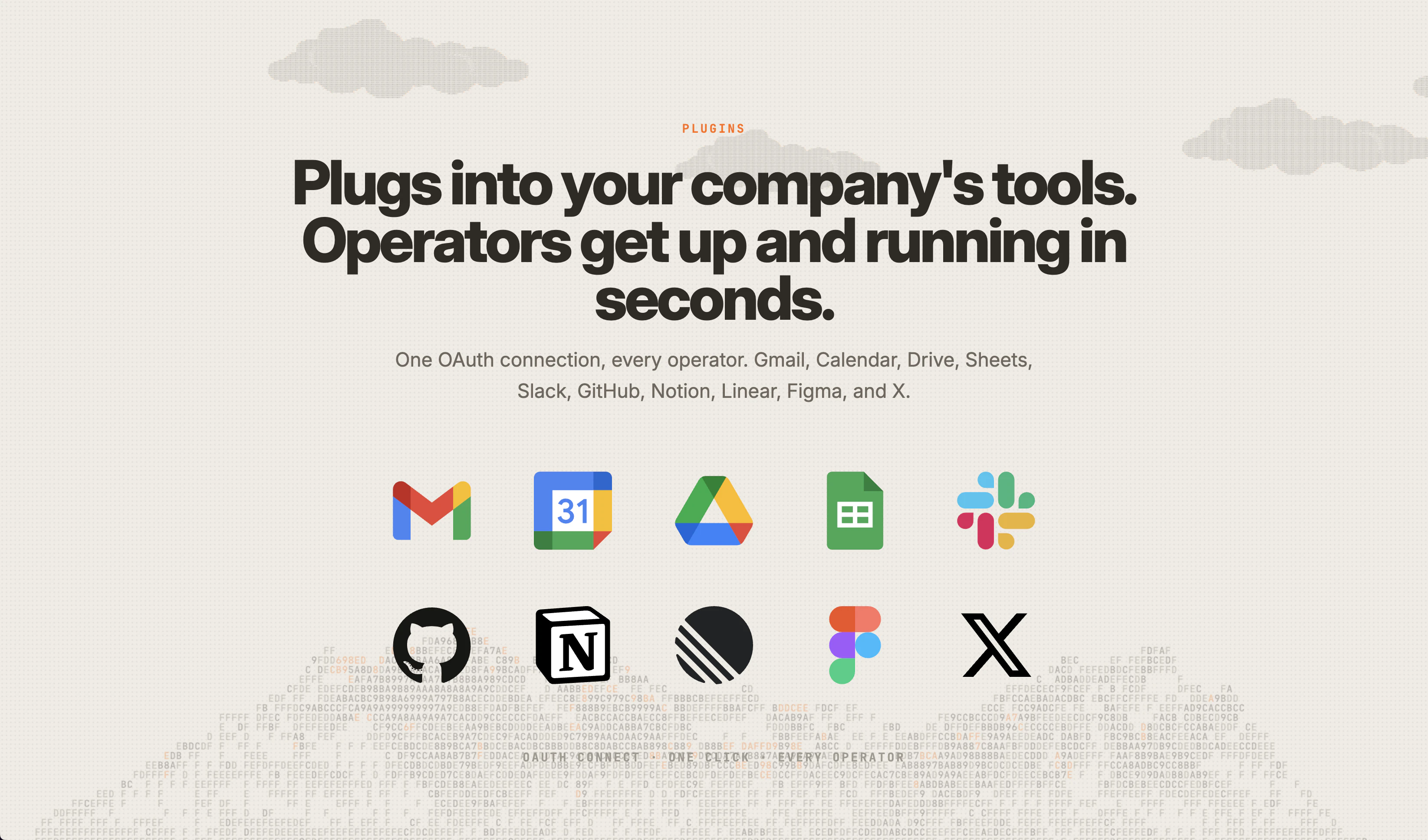
- Tool integration
In their own words
The operatingsystem forAI-native companies.
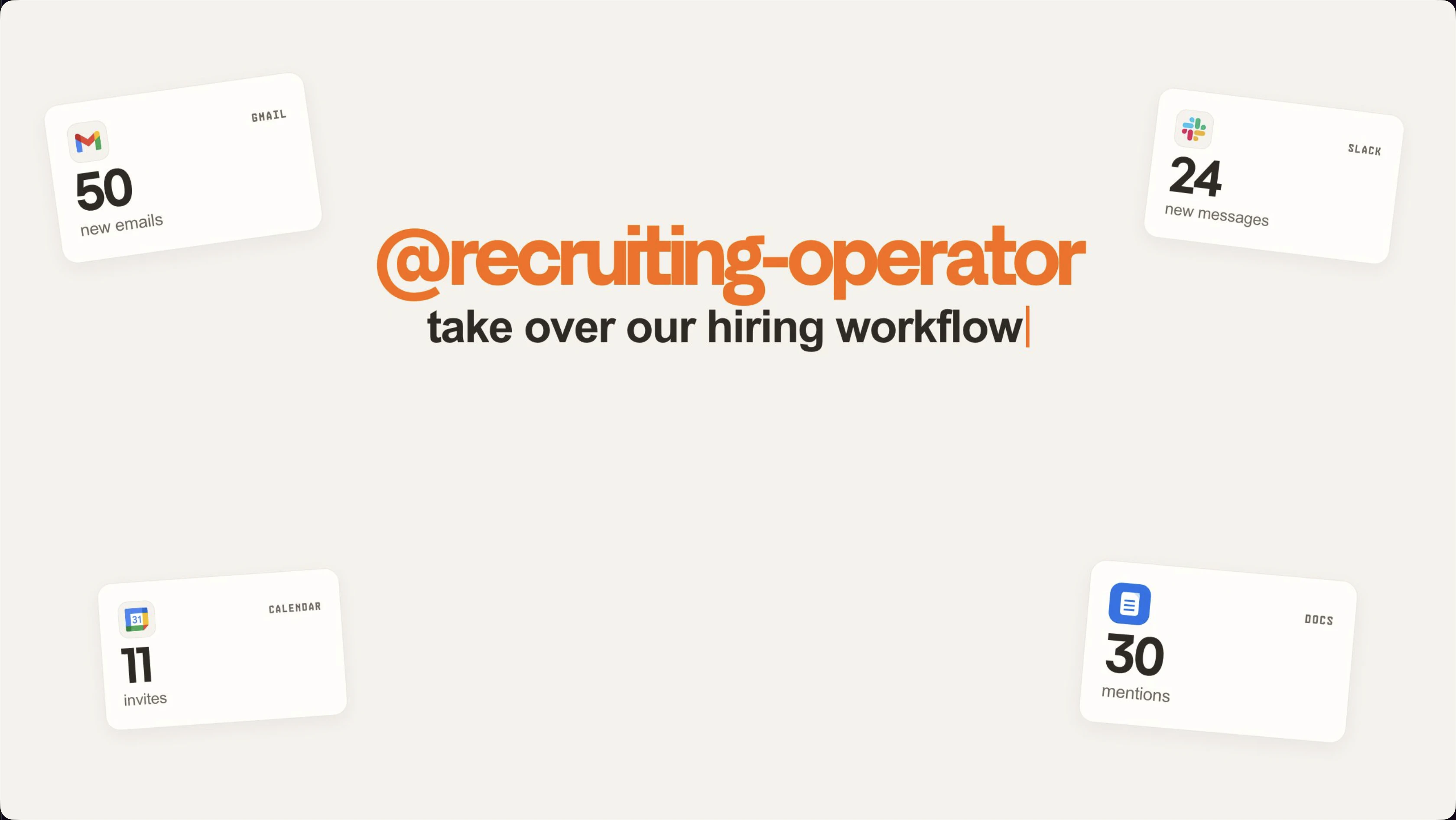
Hipocampus connects your tools, tasks, decisions, and permissions so AI operators can carry work across the company without starting from scratch.
Commercial cues
Model
usage based
Free tier
No
Trial
No
Pricing Strategy
- • A single plan removes friction from tier selection.
- • Usage-based pricing scales directly with work volume.
Operator context
Operating setup
Founded
Apr 2026
Platform
Web app
Audience
Developers
Social footprint
Builder Strategy
- Strategy Type
- Niche Specialist
- Stage
- Vc Growth
- Effort
- Small Team
About Hipocampus Expand
Hipocampus offers an operating system designed for AI-native companies and their teams, tackling the challenge of fragmented workflows. It uses AI operators to automate tasks, decisions, and permissions across various business tools.
These operators develop persistent workflow memory and learn user preferences, ensuring work carries across the company without starting from scratch. This focus on intelligent, memory-enabled automation provides a specialized product for managing complex AI-driven operations, integrating with common business tools, and scaling with usage rather than per-seat costs.