
AI-powered CAD design prediction that reduces clicks and speeds hardware development.

Product memo
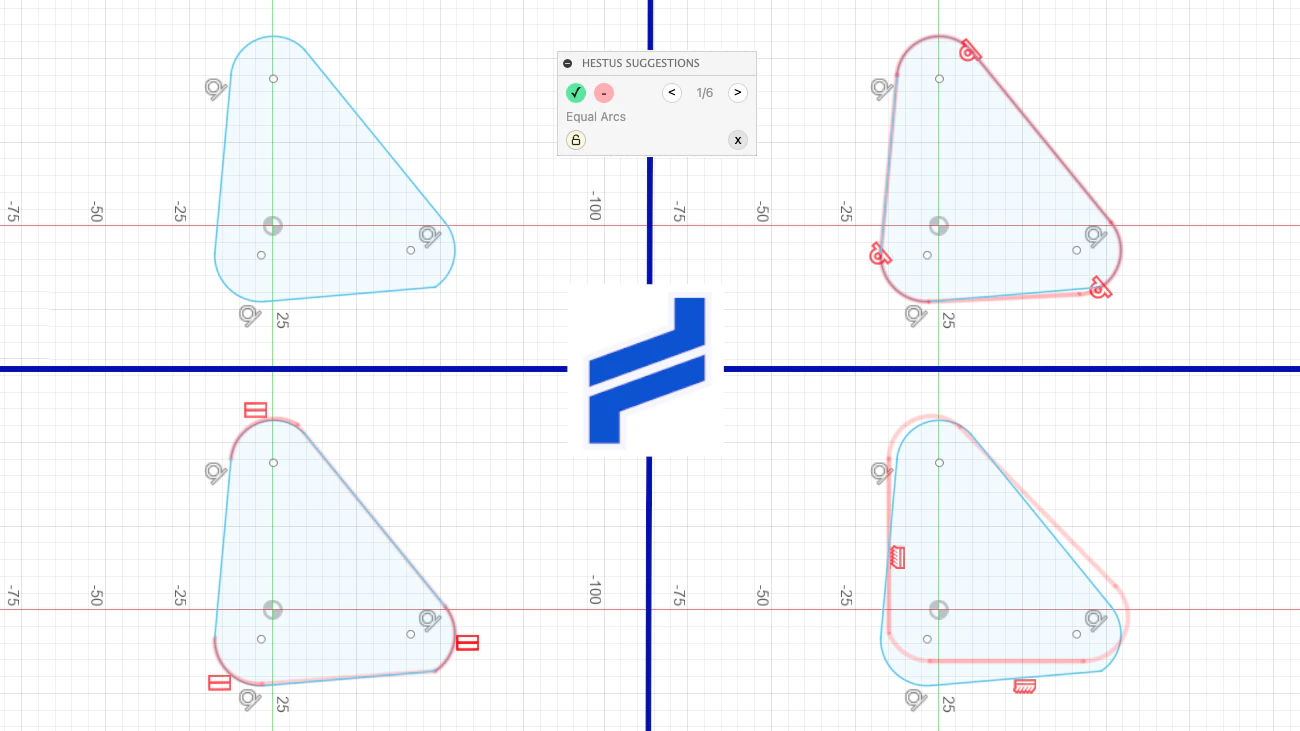
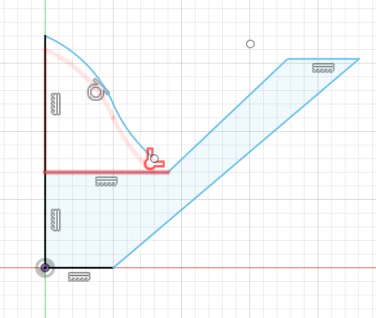
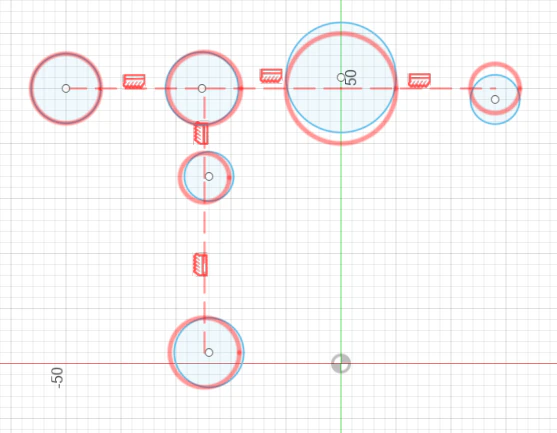
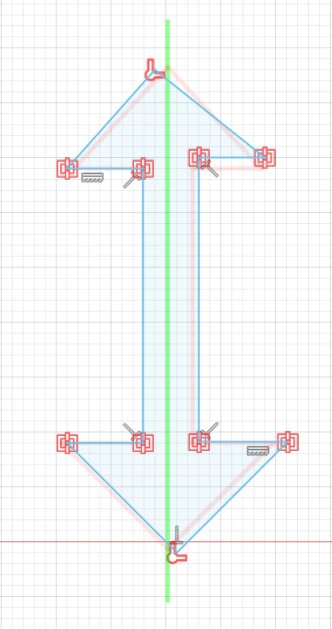
Hestus targets CAD designers and hardware development teams, embedding AI-powered next-move prediction directly into existing CAD environments. This approach minimizes repetitive clicking and shortens workflows by anticipating user intent, rather than relying on prompt-based inputs. The native integration aims to reduce friction and speed the design-to-delivery cycle for hardware engineers.
For who
CAD designers and hardware development teams
Solves what
Speeds up CAD design with AI-powered next-move prediction.
- AI-powered design prediction
- One-keystroke suggestions
- Native CAD integration
In their own words
Autocomplete for CAD
Less clicking. More designing. 2.5x faster with 4x fewer clicks
Commercial cues
Model
contact only
Free tier
No
Trial
No
Pricing Strategy
Hestus uses contact-sales pricing through its Custom tier.
- • Contact-only pricing targets enterprise buyers with complex needs.
- • No visible free tier suggests a sales-led adoption motion.
- • Custom handles custom requirements.
Operator context
Team
VC / larger team
Founded
May 2026
HQ
United States
Platform
Desktop
Audience
Designers
Public footprint
Tech stack
Builder Strategy
- Strategy Type
- Wedge Expand
- Stage
- Vc Growth
- Effort
- Small Team
About Hestus Expand
Hestus offers CAD automation that integrates AI-powered next-move prediction directly into native CAD environments. It helps CAD designers and hardware development teams shorten their workflows by suggesting design steps with one-keystroke commands, aiming to make the design process 2.5 times faster with 4 times fewer clicks.
This focuses on deep workflow integration rather than external tools, addressing the core friction of repetitive tasks within professional design software. The approach targets established teams seeking efficiency gains without disrupting their existing software stack.