
Real-time satellite intelligence and orbital data aggregation for space professionals.


Product memo
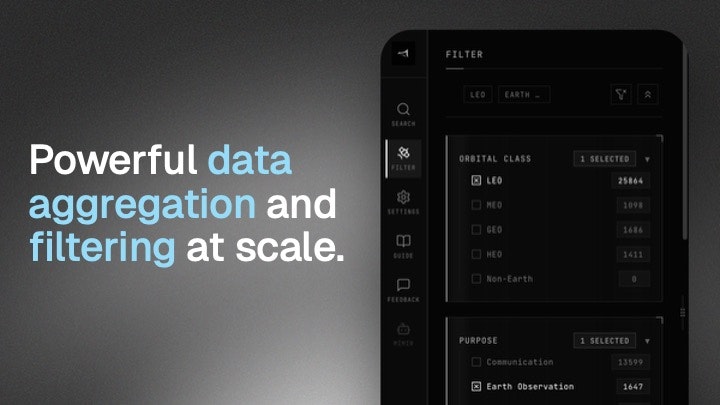
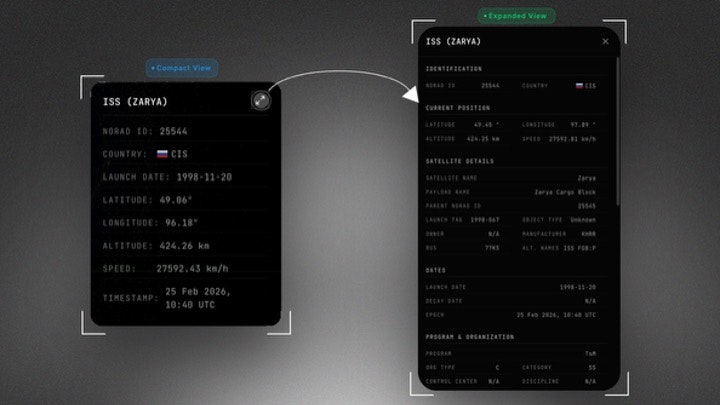
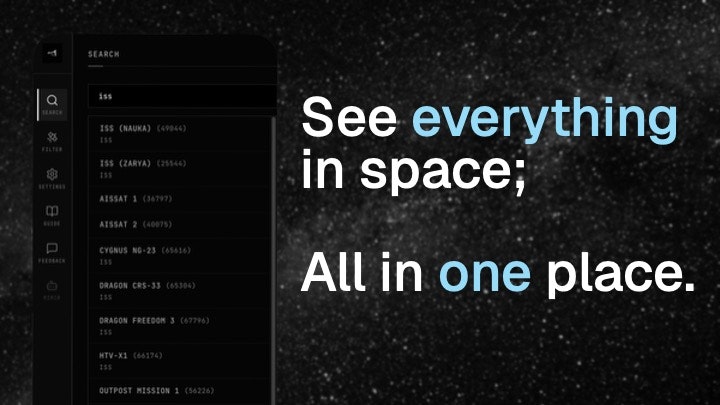
Heimdall aggregates scattered orbital data into a single, continuously updated 3D environment. It offers satellite operators and space industry professionals a broad, real-time view of all tracked objects in Earth's orbit, from active satellites to debris. This approach addresses the increasing congestion in space, providing essential intelligence for operational planning and risk mitigation.
- For who
- Satellite operators and space industry professionals
- Solves what
- Real-time satellite intelligence and orbital data aggregation
- Real-time orbital data
- Aggregated data sources
- 3D orbital environment
In their own words
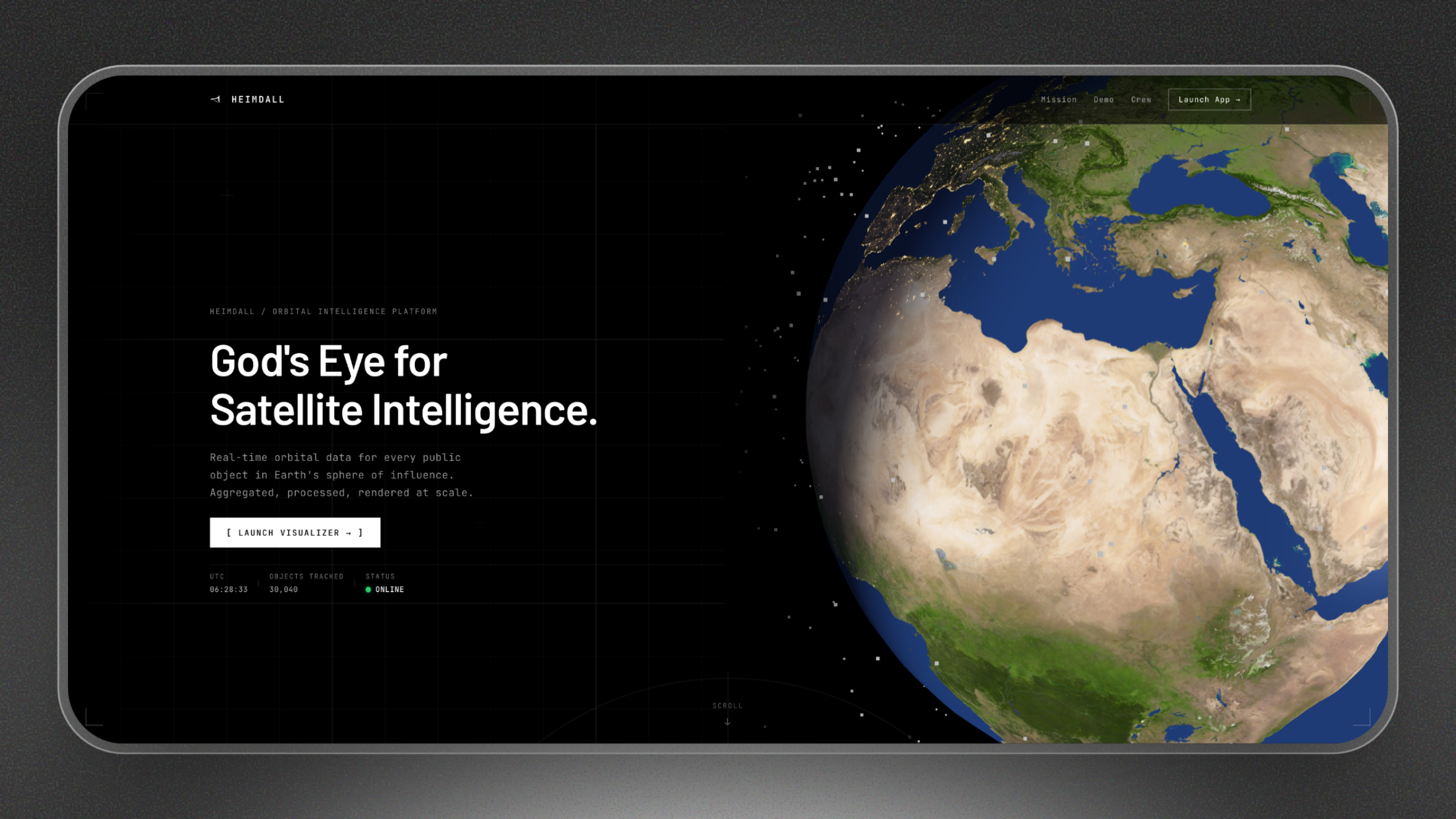
God's Eye for Satellite Intelligence.
Real-time orbital data for every public object in Earth's sphere of influence. Aggregated, processed, rendered at scale.
Operator & company
Company
- Founded
Feb 2026
Operating model
- Business model
Saas
- Platform
Web app
- Audience
General
Product channels
Builder strategy
ProvenRadar analysis
- Strategy Type
- Niche Specialist
- Stage
- Pre Revenue
- Effort
- Small Team
Commercial cues
- Model
- contact only
- Free tier
- No
- Trial
- No
Pricing strategy
Heimdall uses a contact-only enterprise pricing model, signaling a focus on high-value partnerships and custom products for complex orbital intelligence needs.
- • Custom enterprise pricing supports tailored products for specific client requirements.
- • Contact-only sales motion aligns with complex data integration and service delivery.
- • No public pricing indicates a high-touch sales process for strategic accounts.
About Heimdall Expand
Heimdall offers satellite operators and space industry professionals a critical tool for understanding Earth's orbital environment. It aggregates and processes real-time data on every public object in Earth's sphere of influence, from active satellites to space debris.
By presenting this complex information within a continuously updated 3D visualization, Heimdall helps users monitor satellite constellations and track potential collision risks. This addresses the growing challenge of orbital congestion, providing a broad data foundation for operational decision-making.