
Local-first, file-based memory for AI agents, emphasizing portability and retrieval accuracy.


Product memo
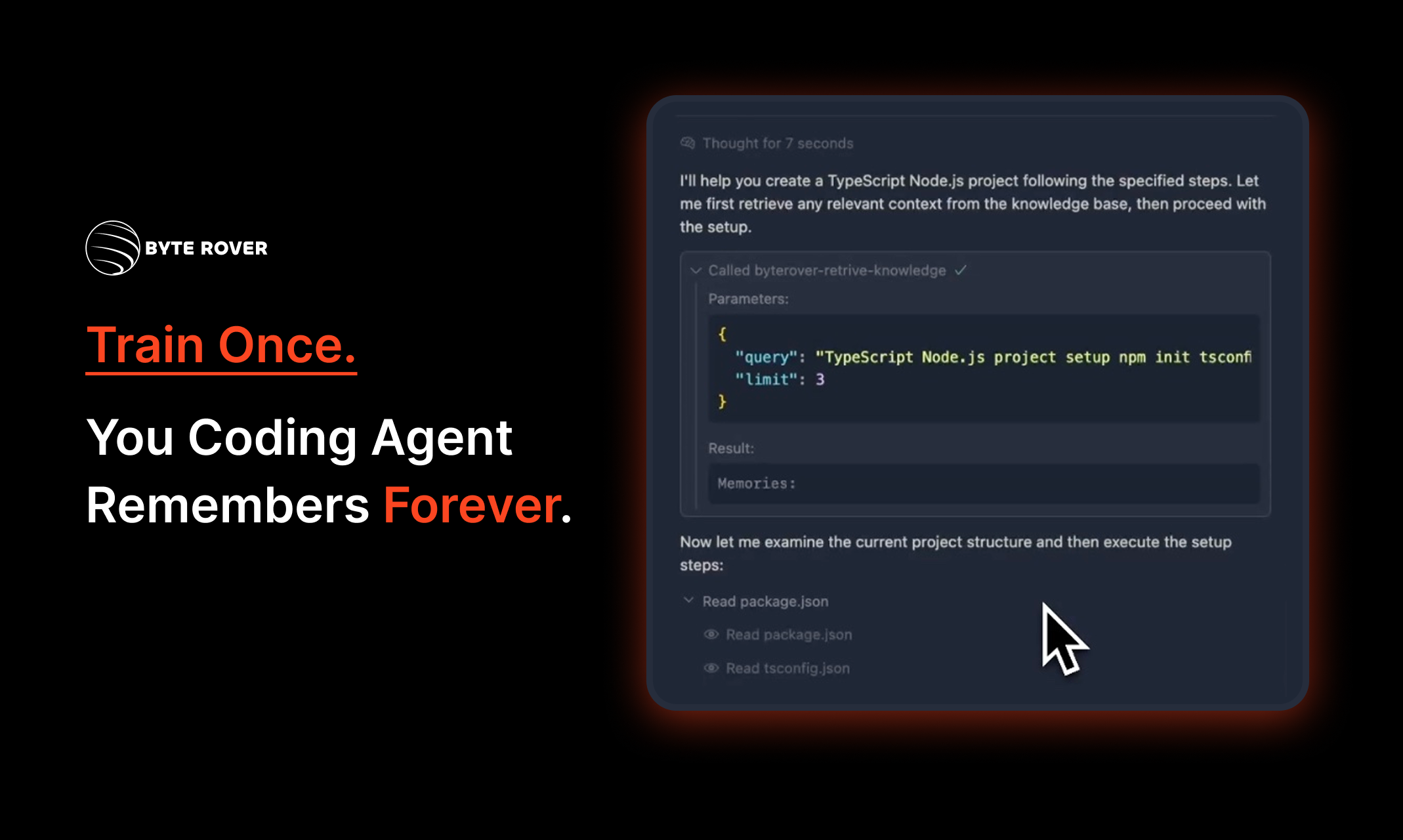
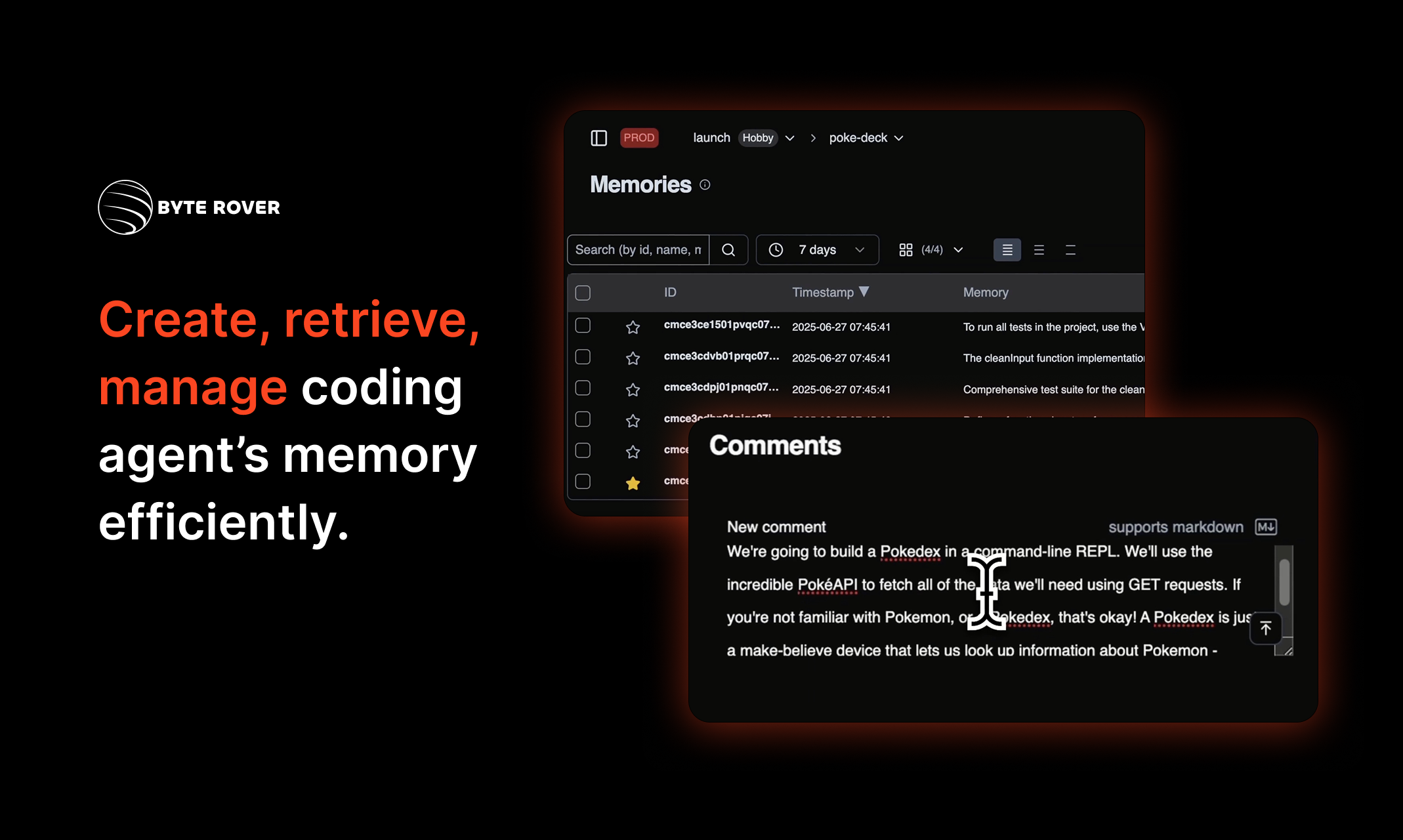
AI developers building agents need persistent, portable memory that avoids vendor lock-in. ByteRover offers a local-first, file-based memory system, providing a hierarchical knowledge tree accessible across different models and providers. This approach gives developers control over their agent's context, ensuring reliability and manageability for complex agentic systems.
For who
AI developers and teams building agents
Solves what
Persistent, portable, and accurate memory for AI agents.
- Local-first, file-based memory
- Git-like version control
In their own words
Memory
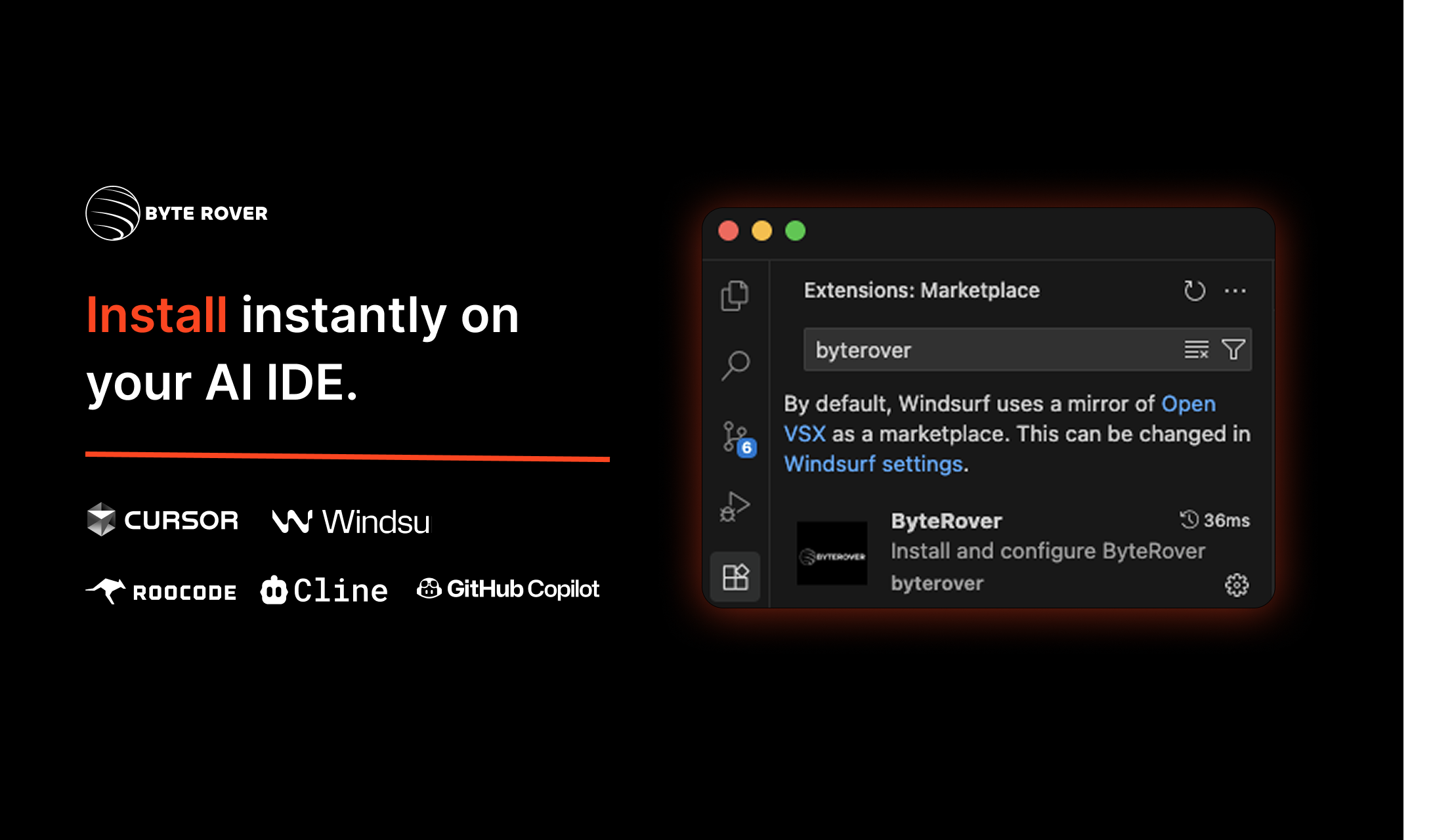
From OpenClaw to Claude Code to Cursor to whatever's next, your own memory travels with you, not trapped in one tool.
Memory that thinks and scales
Commercial cues
Model
hybrid
Free tier
Yes
Trial
No
Pricing Strategy
- • A free tier with limited credits drives initial adoption for individual developers.
- • Per-user pricing on team plans aligns costs with collaborative development needs.
Operator context
Operating setup
Founded
Jun 2025
Platform
Web app
Audience
Developers
Social footprint
Tech stack
Market demand
ByteRover Memory System for OpenClaw keyword demand
5 keywords
Market demand is Starter-tier market intelligence.
Derived from this product’s latest SimilarWeb keyword mix — directional demand, not proof.
Builder Strategy
- Strategy Type
- Niche Specialist
- Stage
- Vc Growth
- Effort
- Small Team
About ByteRover Memory System for OpenClaw Expand
ByteRover delivers a critical component for AI agent development: a memory system designed for persistence, portability, and accuracy. It targets AI developers and teams building agents who require reliable knowledge management across various models and providers.
By offering local-first, file-based storage with high retrieval accuracy and version control, ByteRover addresses the common friction of agent memory being tied to specific tools. This gives developers greater control over their agent's context, supporting more specific and adaptable agentic systems.