
Audits AI-generated code, capturing provenance and risk, self-hosted for compliance.


Product memo
Targets developers and compliance officers drowning in AI code sprawl and audit gaps. Positions itself as the definitive 'system of record' for AI-generated code, offering a self-hosted solution that captures prompt, model, and risk data. Its wedge is auditable AI code provenance, a non-negotiable for compliance and security in regulated environments. This approach directly challenges generic code scanning tools by focusing on the unique risks of AI-assisted development.
For who
Developers and compliance teams needing AI code audit trails
Solves what
Tracking and auditing AI-generated code insertions with provenance and risk scoring
- Git blame for AI code
- Prompt, model, risk capture
- Self-hosted infrastructure
In their own words
Git Blame for AI-Generated Code — LineageLens
The system of record for AI-generated code.
Captures every AI code insertion — the prompt you typed, the model that answered, and the risk it carries — stored entirely on your infrastructure.
Commercial cues
Model
hybrid
Free tier
Yes
Trial
No
LineageLens Base
Track AI insertions offline · 11 AI agent adapters
LineageLens Plus
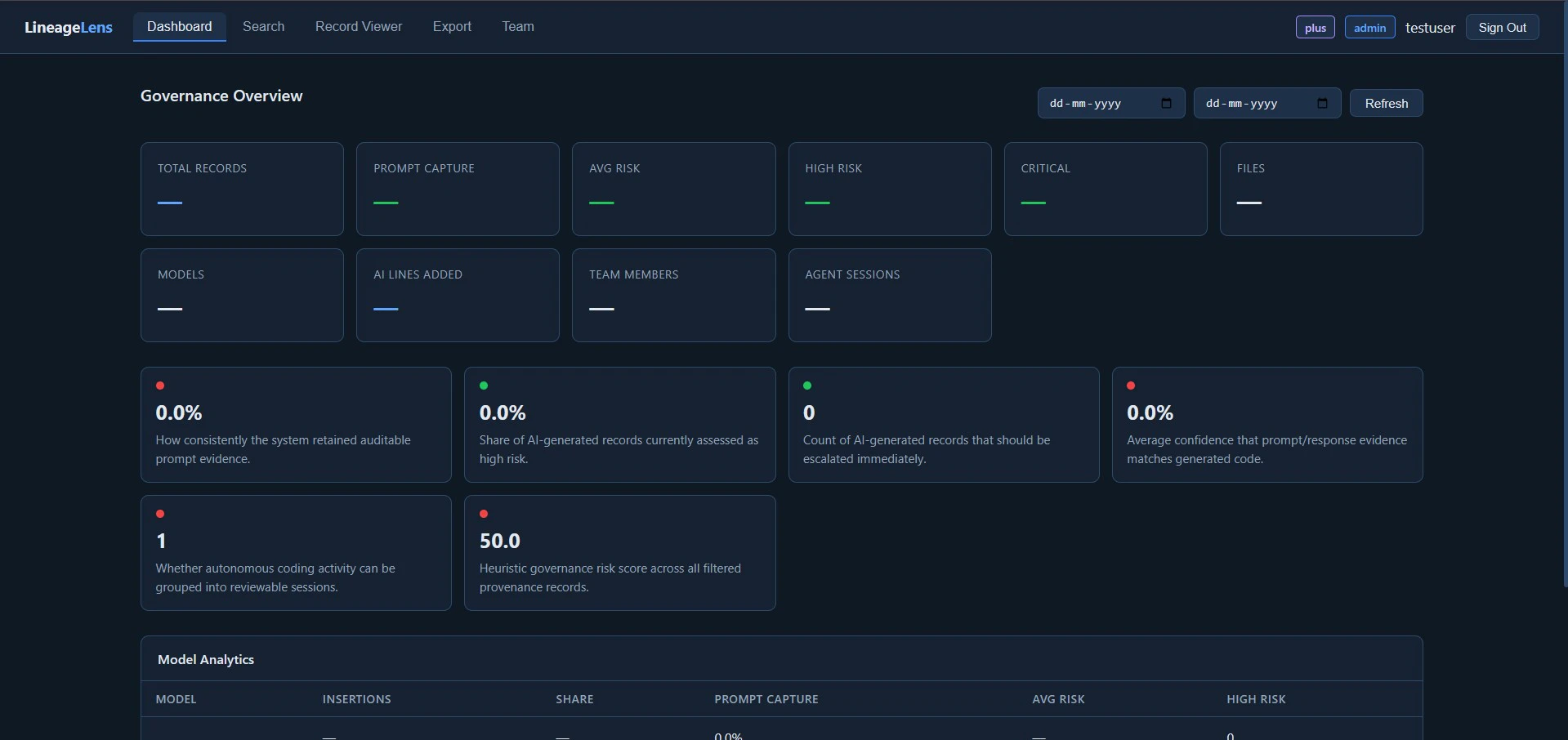
Shared governance dashboard · Semantic search · GitHub Actions PR annotation
LineageLens Max
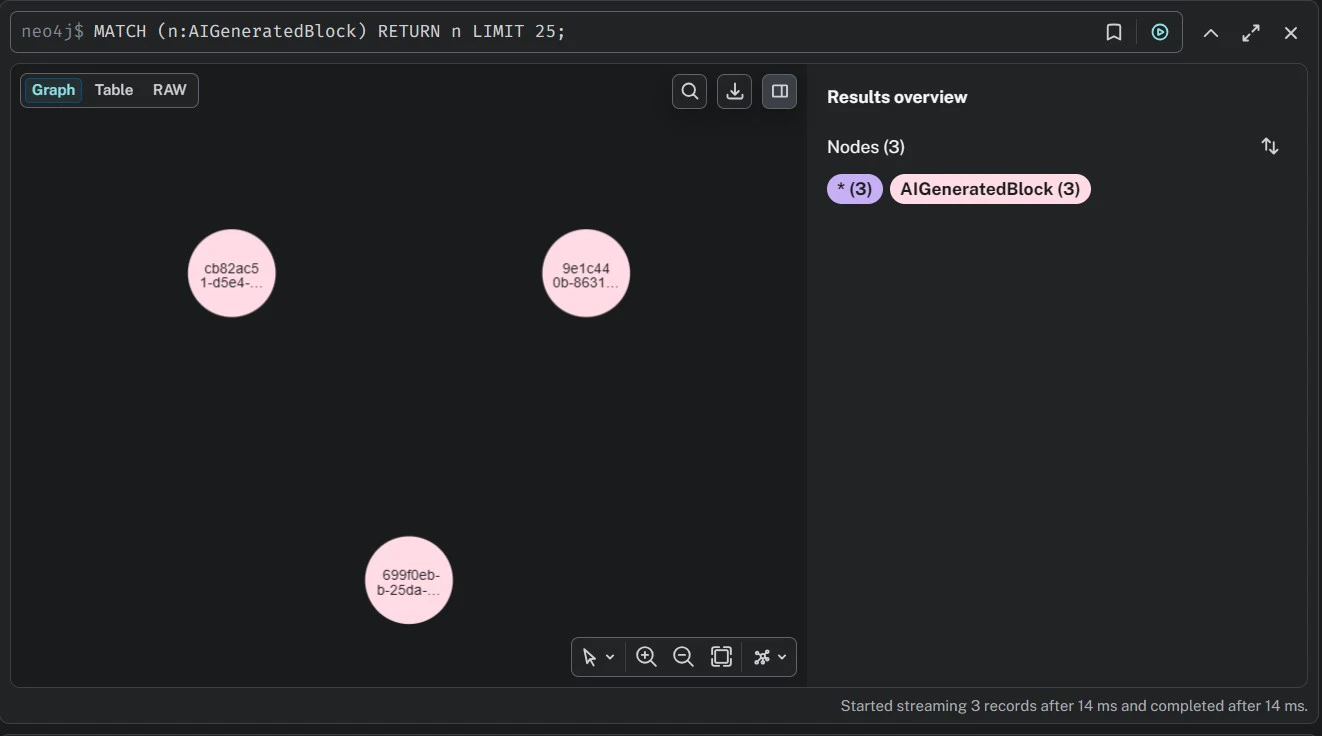
CustomNeo4j for cross-tool lineage graphs · Trace code ancestry across tools · Production deployments with compliance
Pricing Strategy
Offers a freemium model with a clear per-developer monthly charge, directly appealing to individual developers and scaling with team adoption.
- • Provides a free tier for individual developers, fostering viral adoption within teams and driving bottom-up growth.
- • Charges a flat $12/month per developer, making cost predictable and transparent as teams expand.
- • Requires custom quotes for enterprise-grade features and larger deployments, ensuring tailored solutions for complex compliance needs.
Operator context
Team
Indie / lean
Founded
Apr 2026
Social / footprint
Builder Strategy
- Strategy Type
- Niche Specialist
- Stage
- Bootstrapped Lean
- Effort
- Solo Buildable
Targets developers and compliance teams with a clear AI code auditing wedge, leveraging a freemium model for adoption.
Unfair Advantages
-
Unorthodox Pricing Self-hosted data storage moat prevents cloud vendor lock-in and builds trust
-
Exclusive Distribution VS Code extension integration captures developers at their workflow
Builder Lesson
Offer a free tier with local storage to build trust and capture individual developers before upselling.
Full Reasoning
Wins by directly addressing the critical AI code provenance problem with a self-hosted, developer-centric solution. The asymmetric bet here is building trust through local storage and deep VS Code integration, making it incredibly difficult for cloud-based competitors to replicate. Other builders should note: identify a critical compliance or security gap created by emerging technology, then offer a frictionless, self-serve entry point that scales into enterprise-grade trust.
About LineageLens Expand
LineageLens provides a robust solution for the increasingly complex challenge of managing AI-generated code within development workflows. It's built for developers and compliance teams who need a reliable way to track every AI code insertion, from the initial prompt to the specific model used, and assess its inherent risk. Unlike traditional static analysis tools, LineageLens focuses specifically on the unique provenance and security implications of AI-assisted coding, offering a critical layer of oversight.
Its core value proposition centers on capturing comprehensive audit trails and risk scores, all while keeping your sensitive data self-hosted. This approach is particularly appealing to organizations in regulated industries where data sovereignty and compliance are paramount. By integrating directly into the VS Code environment and acting as a proxy, LineageLens ensures that every piece of AI-generated code is accounted for, providing the transparency needed to mitigate security vulnerabilities and meet stringent audit requirements. The freemium model allows individual developers to experience its benefits firsthand, fostering organic adoption within organizations.